Weather Variables Directing Prop Bet Entries in Outdoor Athletic Events and Racing Circuits
Sam Hughes · Aug 7, 2026
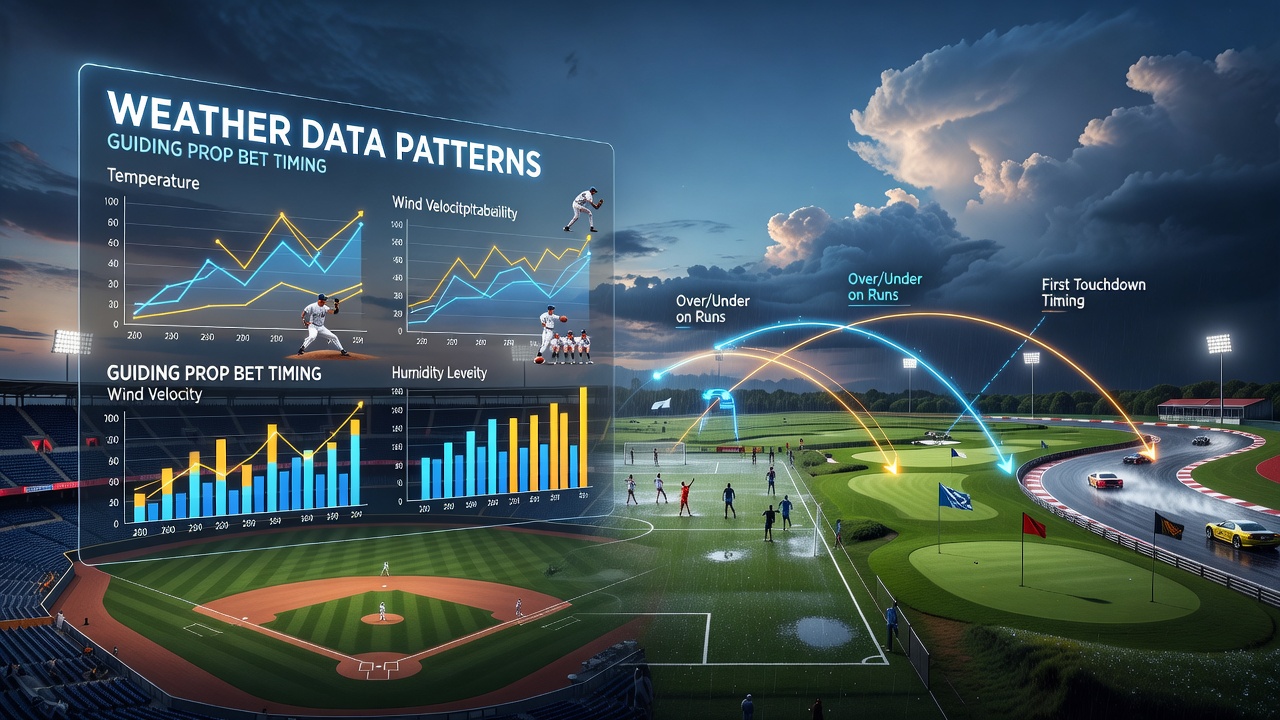
Weather Variables Directing Prop Bet Entries in Outdoor Athletic Events and Racing Circuits
Weather patterns have long shaped performance metrics across outdoor sports and this influence extends directly into prop bet timing decisions for tennis circuits, horse racing meets, and field-based leagues. Data collected from meteorological stations near venues shows measurable impacts on serve speeds, track times, and goal frequencies when humidity, wind velocity, and precipitation levels shift during events.
Temperature and Humidity Effects on Court and Track Surfaces
Studies from sports science programs indicate that court temperatures above 28 degrees Celsius accelerate ball bounce rates in tennis while increasing player fatigue markers during extended rallies. Observers note these conditions often align with elevated over/under prop lines on total points scored in sets, especially when matches occur in afternoon slots across summer tournaments. Humidity levels exceeding 65 percent correlate with slower surface drying times after brief showers and this factor has prompted adjustments in live prop timing for aces and double faults in multiple Grand Slam events held during peak summer months.
Horse racing data from tracks in North America and Europe reveals that ambient temperatures between 15 and 22 degrees Celsius produce optimal turf conditions for faster finishing times in sprints. When readings climb higher, ground hardness increases and this change frequently coincides with record attempts in distance props. Research teams tracking these variables have documented consistent patterns where morning dew points below 10 degrees Celsius lead to firmer rails and tighter spreads on first-three finish bets.
Wind Patterns and Their Role in Live Prop Adjustments
Wind speed data gathered from venue anemometers demonstrates clear directional effects on football trajectory in outdoor leagues, particularly during set pieces and long-range shots. When crosswinds exceed 25 kilometers per hour, goal-scoring rates in the final 15 minutes of halves decline according to league-wide statistics compiled over multiple seasons. Bettors monitoring these thresholds have timed prop entries on player goal tallies around forecasted lulls in gust activity during evening fixtures.
Similar wind metrics influence cycling and motorsport circuits where crosswinds above 30 kilometers per hour alter lap times and energy expenditure models. Analysts examining data from events scheduled in August 2026 have highlighted how sustained tailwinds in certain sectors create windows for underdog prop bets on stage winners when forecasts predict stable directional flow.
Precipitation Timing and Surface Condition Monitoring
Rainfall accumulation tracked in 15-minute intervals allows precise alignment with prop bet windows in cricket and baseball outdoor circuits. When cumulative precipitation stays below 2 millimeters during a session, pitch and field conditions remain stable and this stability often supports higher totals on run-scoring props. Data from Australian meteorological networks shows that brief showers followed by rapid clearing produce temporary grip changes that affect swing rates and these intervals have guided timing for strikeout and boundary props in limited-overs matches.
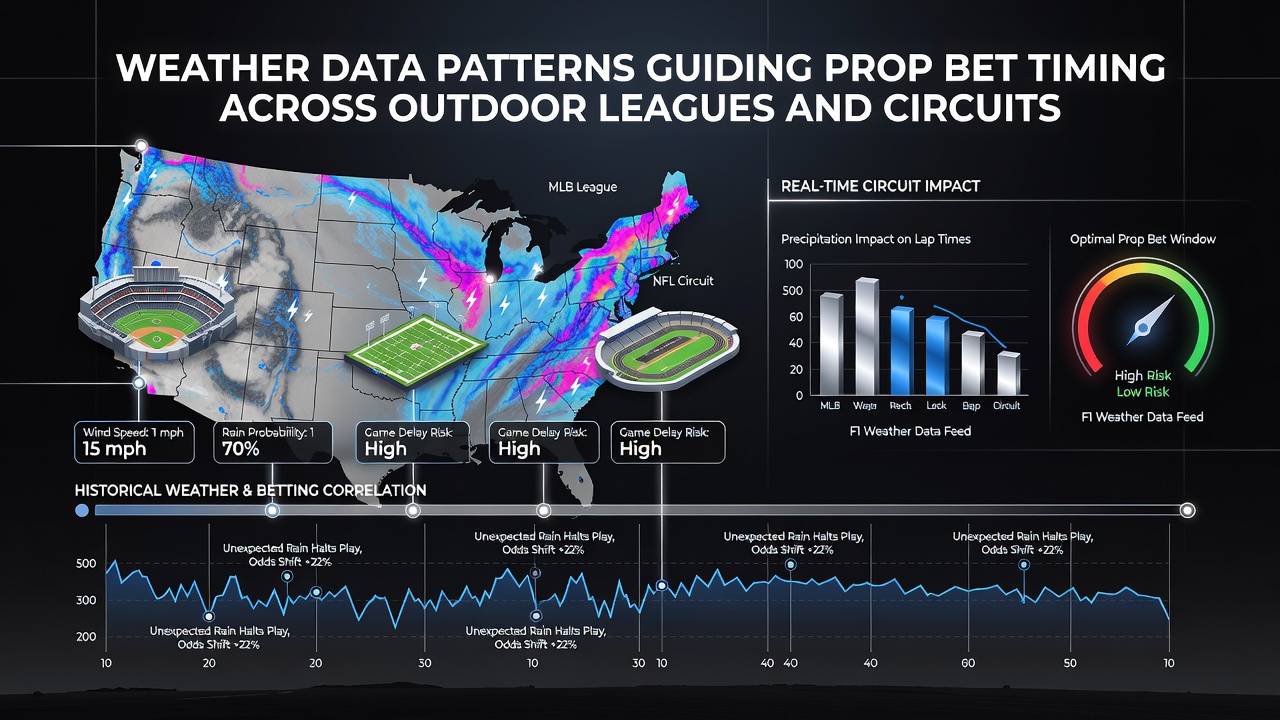
Those monitoring integrated weather feeds note that lightning delays in golf tournaments create compressed playing windows where fatigue effects compound and this compression shifts prop expectations for birdie totals in final rounds. European weather services have supplied granular forecasts that enable such adjustments across multiple tour stops.
Integrating Multi-Source Data Streams for Prop Timing
Combining satellite imagery with ground-level sensors provides layered insights into microclimate variations at venues. University research groups have published findings on how localized temperature inversions at coastal tracks alter humidity gradients and these gradients affect stamina-related props in endurance events. The resulting datasets allow for refined entry points when wind shifts coincide with temperature drops during late afternoon sessions.
Industry reports from organizations such as the National Oceanic and Atmospheric Administration supply publicly accessible models that link precipitation probability curves to performance outliers across summer circuits. When these models project rapid pressure changes, observers have identified corresponding adjustments in prop timing for rebound and assist totals in outdoor basketball exhibitions held under variable conditions.
Academic papers examining 2025 and 2026 event data further demonstrate that combining barometric readings with historical performance logs yields higher correlation scores for late-game momentum props in football leagues. Teams reviewing these correlations adjust thresholds based on venue-specific wind corridors rather than generalized forecasts.
Conclusion
Weather data integration continues to refine prop bet timing across outdoor leagues by linking atmospheric readings to measurable performance shifts. Patterns observed in temperature, wind, and precipitation provide structured inputs for decision frameworks while venue-specific monitoring ensures relevance to individual events and circuits. Ongoing collection from regulatory and research bodies supports consistent application of these variables in timing strategies throughout seasonal schedules.