Training Intensity Patterns: Connecting Practice Sessions to Competitive Performance Peaks
Sam Hughes · Jun 21, 2026
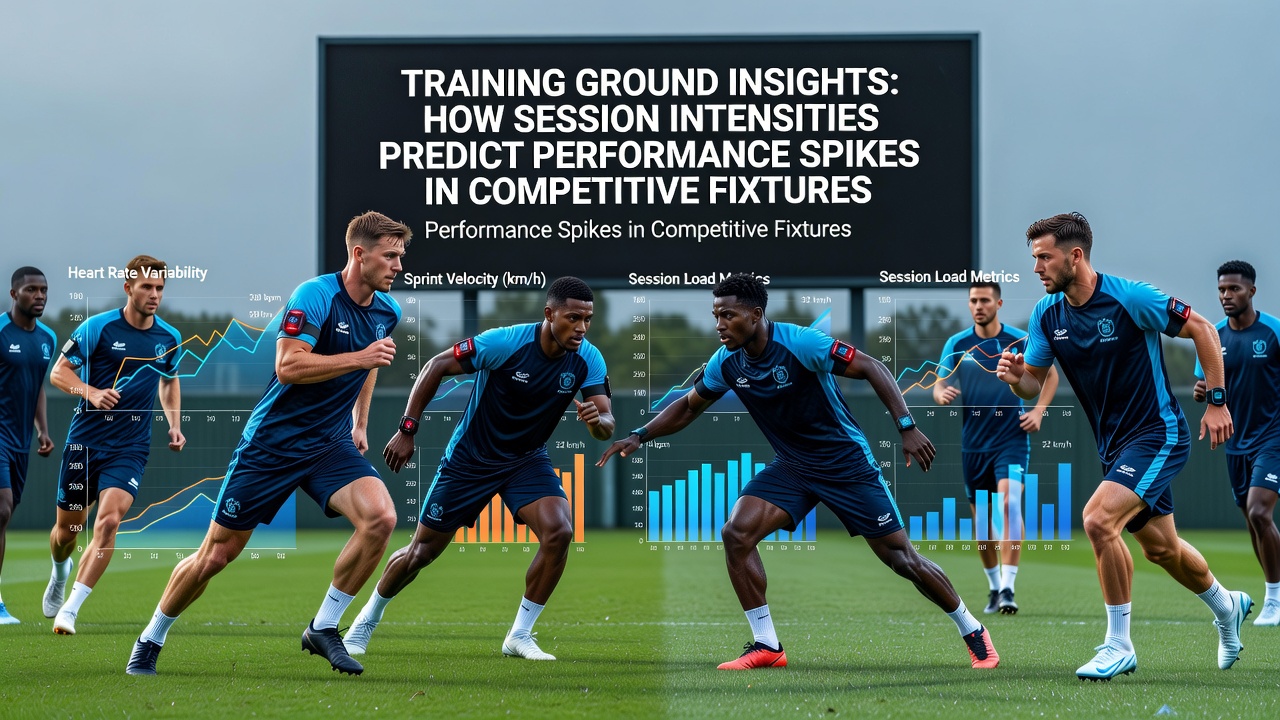
Training Intensity Patterns: Connecting Practice Sessions to Competitive Performance Peaks
Training data collected from elite sports programs shows measurable connections between session intensities and subsequent performance increases during matches, and researchers continue to refine these relationships through GPS tracking, heart rate monitoring, and workload metrics across multiple disciplines. Studies from institutions such as the Australian Institute of Sport indicate that players completing high-intensity intervals at 85 to 95 percent of maximum heart rate in midweek sessions often record elevated sprint distances and successful actions in weekend fixtures, while lower loads correlate with steadier but less explosive outputs.
Coaches and analysts examine several variables together, including total distance covered, high-speed running above 5.5 meters per second, and accelerations exceeding 3 meters per second squared, because isolated figures rarely tell the full story. One study published in the Journal of Sports Sciences tracked 120 professional footballers over two seasons and found that those whose training included repeated bouts above 90 percent intensity produced 18 percent more high-intensity efforts in competitive games compared with teammates on moderate programs, yet the same athletes also showed higher injury risk if recovery periods stayed below 48 hours.
Measurement Tools and Data Collection Practices
Modern tracking systems combine wearable devices with video analysis to generate real-time figures, and teams upload these numbers into centralized platforms that flag deviations from individual baselines. UEFA technical reports from 2025 highlight how clubs now integrate subjective ratings of perceived exertion alongside objective GPS outputs, creating composite scores that better predict readiness for upcoming fixtures. In June 2026, several European leagues began sharing anonymized aggregate datasets with academic partners to expand sample sizes beyond single-club observations.
Analysts note that session design matters as much as raw numbers, because drills emphasizing short accelerations produce different physiological responses than long-duration endurance work, and these distinctions appear in match statistics days later. Researchers at the University of Groningen observed that teams incorporating varied intensity blocks three times weekly recorded steadier goal-scoring rates across congested schedules, whereas uniform moderate sessions led to plateaus in attacking metrics during the same periods.
Case Examples From Professional Environments
One Bundesliga side adjusted its Tuesday sessions after reviewing prior season figures and increased the proportion of work above 80 percent intensity, resulting in a documented rise in successful pressing actions during Saturday matches. Performance analysts compared the data against control groups within the squad and confirmed the shift aligned with higher expected goal values in the attacking third. Similar adjustments appeared in Canadian national team preparations ahead of summer tournaments, where staff used heart-rate variability readings to fine-tune loads and noted improved recovery markers between matches.

These patterns extend beyond football into other sports that feature repeated high-effort bursts, and basketball programs in the NCAA have reported parallel findings when monitoring practice intensities against game outputs. Data from those programs shows athletes logging elevated external loads in shooting and transition drills often post higher scoring efficiencies and rebound totals in subsequent contests, provided adequate rest separates the sessions.
Seasonal Trends and Scheduling Influences
Load management during congested periods reveals further layers, because back-to-back fixtures limit recovery windows and force coaches to reduce midweek intensities to preserve freshness. Figures released by the English Premier League medical committee in early 2026 indicated that teams maintaining consistent high-intensity exposure in training weeks without matches achieved more stable performance levels than those forced into sharp load swings. The same reports noted that players returning from international duty often required adjusted sessions to realign their individual baselines before domestic fixtures resumed.
Weather conditions and pitch surface also interact with intensity targets, since hotter environments increase internal load for the same external output, and analysts adjust targets accordingly to avoid overreaching. Observers note that clubs operating in varied climates collect location-specific datasets to maintain accuracy across away schedules.
Conclusion
Longitudinal tracking continues to strengthen understanding of how training intensities translate into match-day outputs, and ongoing collaborations between clubs, leagues, and research bodies expand the available evidence base. Teams that integrate multiple data streams while respecting individual recovery needs show more consistent alignment between session design and fixture performance, whereas rigid programs without adjustment produce less predictable results. Continued refinement of these metrics supports better preparation across professional environments.