Barometric Shifts Influencing Momentum Swings: Cross-Referencing Data from Field Sports and Circuit Races
Theo Schmidt · May 20, 2026
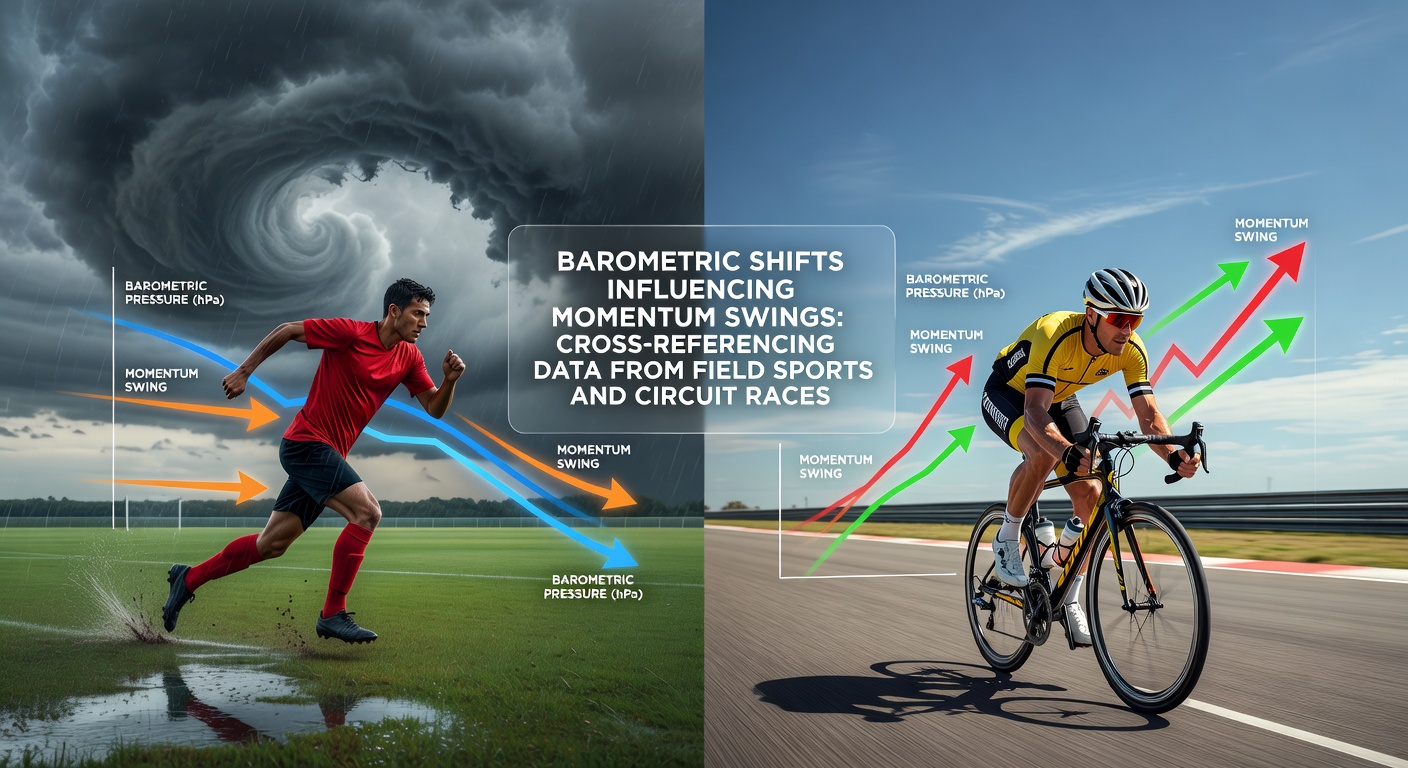
Barometric Shifts Influencing Momentum Swings: Cross-Referencing Data from Field Sports and Circuit Races
Barometric pressure changes create measurable effects on physical output and team dynamics across multiple athletic disciplines, with researchers documenting shifts in player endurance and race pacing when atmospheric conditions fluctuate rapidly. Studies from sports science laboratories show that drops or rises in barometric readings correlate with alterations in oxygen uptake, muscle recovery rates, and overall momentum during competition.
Atmospheric Pressure Basics and Athletic Response
Barometric pressure reflects the weight of the air column above a given location, and when it falls athletes encounter lower oxygen partial pressure that forces the body to work harder for the same effort level. Field sport participants and circuit racers both experience these adjustments though the manifestations differ by activity type. Data collected from wearable sensors reveal heart rate elevations and reduced sprint repeatability when pressure dips below seasonal norms, while stable or rising readings often coincide with steadier performance metrics.
Observers note that rapid pressure transitions, common during frontal weather systems, produce the most pronounced momentum swings because the body has limited time to acclimate. In controlled trials athletes tested under simulated low-pressure chambers posted slower recovery intervals between high-intensity bursts compared with baseline sessions conducted at standard sea-level readings.
Field Sports Performance Patterns
Soccer matches and rugby contests supply extensive datasets because continuous player tracking systems record distance covered, high-speed runs, and acceleration counts throughout each fixture. When barometric pressure falls ahead of an approaching storm front, midfielders and forwards show reduced total distance in the second half even when tactical instructions remain unchanged. Defensive units sometimes maintain output longer, yet the overall tempo of the game tends to slow as collective fatigue accumulates faster under lower pressure.
American football provides another clear window because games occur in discrete plays with measurable rest periods. Data from multiple seasons indicate that offensive linemen and skill players experience slight declines in explosive power when pressure readings drop more than 10 millibars within a six-hour window. Coaches adjust substitution patterns accordingly, rotating larger groups to preserve fresh legs for critical downs.
Circuit Races and Environmental Cross-Checks
Horse racing on turf and dirt circuits, along with cycling road races and motorsport events, yields comparable findings when analysts align barometric logs with split times and sectional data. Jockeys and trainers report that horses often require additional warm-up time on days when pressure declines sharply, and final furlong times lengthen even when track surfaces remain consistent. Cycling teams monitoring power meters observe similar wattage drops during climbs when atmospheric pressure falls, prompting earlier energy conservation strategies in stage races.

Motorsport data loggers capture throttle response and cornering forces that shift measurably with pressure changes because air density affects both engine output and aerodynamic downforce. Teams cross-reference these readings with historical race data to refine setup choices before sessions begin. In May 2026 several European circuits hosted events during periods of unsettled spring weather, and post-race reviews showed drivers adapting brake and tire management earlier in stints when pressure trends pointed downward.
Integrated Data Analysis Across Disciplines
Researchers combine datasets from field sports and circuit events to identify shared physiological markers that respond to barometric movement. Heart-rate variability, blood-oxygen saturation, and perceived exertion scales all trend in similar directions regardless of whether the activity involves continuous running or intermittent high-effort bursts. Statistical models built from these merged records improve the accuracy of fatigue predictions when forecasters release updated pressure maps.
Academic papers published through institutions such as the National Oceanic and Atmospheric Administration link surface pressure observations with elite performance logs, while parallel work from European sports medicine groups examines how altitude-equivalent effects appear at sea level during low-pressure episodes. These cross-referenced findings help strength and conditioning staff schedule training loads that account for upcoming weather systems rather than relying solely on calendar dates.
Practical Applications in Training and Competition
Coaches now incorporate portable barometers into daily monitoring kits so they can anticipate when momentum might shift mid-session. Field sport squads adjust hydration and nutrition timing when pressure forecasts indicate rapid change, while circuit teams modify warm-up durations and pacing plans. The approach reduces the element of surprise that once accompanied sudden weather transitions and allows more precise management of athlete resources throughout long seasons.
Conclusion
Cross-referencing barometric records with performance metrics from field sports and circuit races produces clearer pictures of how atmospheric conditions influence momentum. Continued collection of synchronized data will refine predictive models and support evidence-based adjustments by teams and event organizers across both domains.